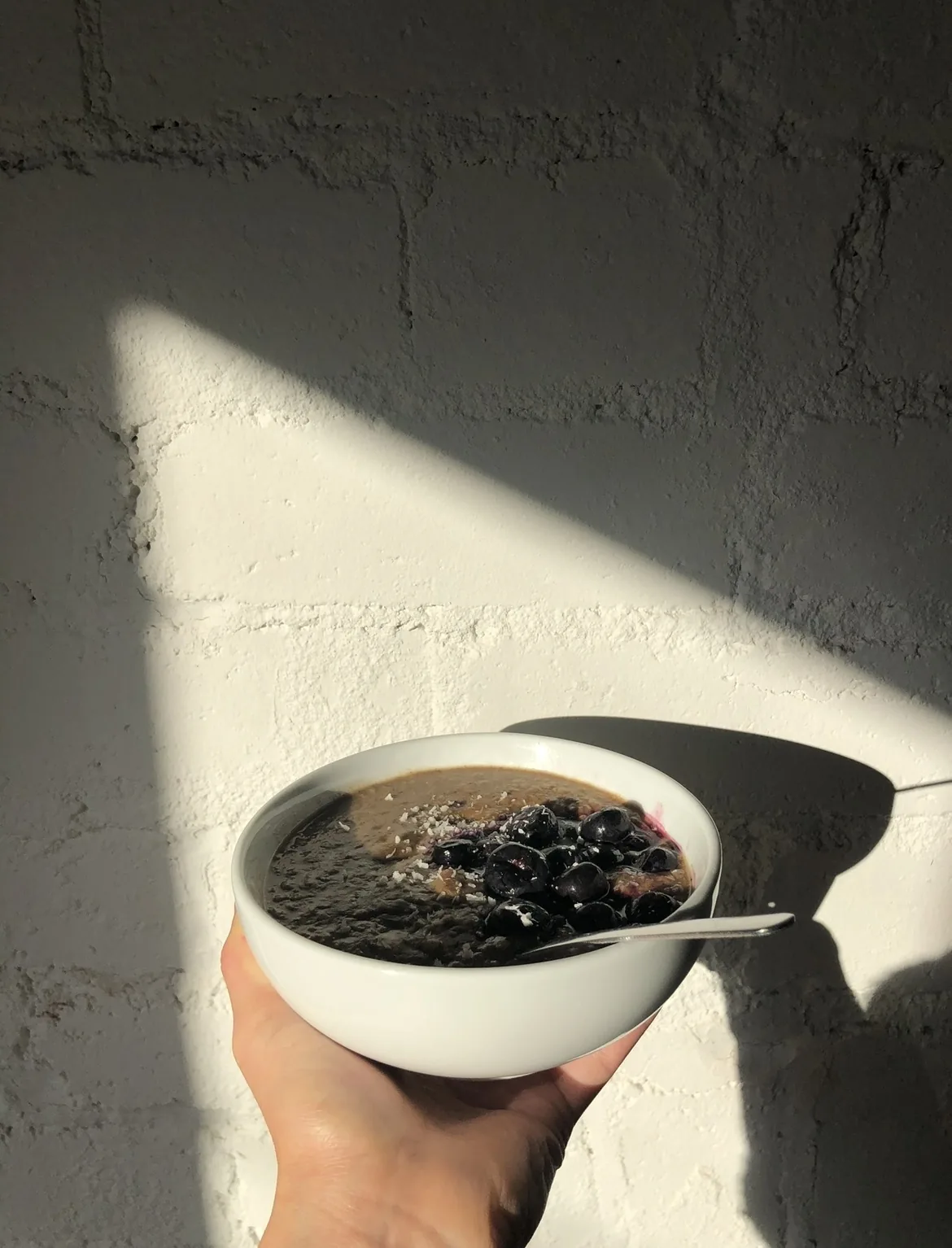
The building blocks, explained.

Understanding the why makes the daily habits easier to keep. Here's an honest, plain-English look at four foundations of how you feel day to day.

Wholegrains and vegetables
№ 01 · Energy

Carbohydrates: your body's preferred fuel.

Carbohydrates have had a rough few years, but they remain the body's most readily available source of energy — especially for your brain and for working muscles during something like a Pilates session. The question worth asking isn't really "carbs or no carbs?" but "which carbohydrates, and alongside what?"

The most useful distinction is between whole, fibre-rich carbohydrates — oats, legumes, whole fruit, vegetables, wholegrains — and highly refined ones where the fibre has been stripped away. Fibre slows digestion, which softens the rise and fall of blood sugar, helps you feel full, and feeds the bacteria in your gut.

  • Pair carbohydrates with protein, fat or fibre to steady your energy
  • Whole fruit, legumes and wholegrains bring fibre and nutrients with the carbs
  • Timing carbs around movement can support performance and recovery
For the challenge: this is exactly why we track fibre and food diversity. Choosing fibre-rich carbohydrates is one of the simplest ways to support steady energy and gut health at the same time.
Nuts, seeds and olive oil
№ 02 · Structure

Fats: not the enemy, the infrastructure.

Every cell in your body is wrapped in a membrane made largely of fat. Fats help you absorb the fat-soluble vitamins A, D, E and K, they're the raw material your body uses to make hormones, and they make food genuinely satisfying — which helps you stop eating when you've had enough.

Rather than fearing fat, it helps to think about variety and quality. Unsaturated fats from extra-virgin olive oil, avocado, nuts, seeds and oily fish are well supported by research for heart and brain health. Omega-3 fats in particular — from salmon, sardines, walnuts and flaxseed — play a role in managing inflammation.

  • Include a source of healthy fat at most meals for satisfaction and absorption
  • Oily fish, extra-virgin olive oil, nuts, seeds and avocado are everyday staples
  • Fat slows digestion — another ally for steady energy
For the challenge: a little healthy fat alongside your protein and fibre makes meals more satisfying, which makes the whole thing easier to sustain.
Leafy greens and seeds
№ 03 · Recovery

Magnesium: the quiet workhorse.

Magnesium is a mineral involved in hundreds of processes in the body — including energy production, muscle function and the nervous system. Because it's so widely involved, it's a nutrient many people are quietly low in, particularly if the diet is short on greens, legumes, nuts and wholegrains.

Some people find magnesium-rich foods helpful around muscle comfort, sleep quality and managing everyday stress, though individual needs vary. The good news is that the foods richest in magnesium — leafy greens, pumpkin seeds, almonds, legumes, wholegrains and a little dark chocolate — are the same wholefoods that support the rest of your goals.

  • Leafy greens, seeds, nuts, legumes and wholegrains are top food sources
  • It supports muscle function and recovery — relevant after Pilates
  • Food first; if you're considering a supplement, check with your GP or naturopath
For the challenge: hitting your food-diversity goal naturally lifts your magnesium intake — another reason variety pays off.
A glass of water
№ 04 · Hydration

Water: the simplest lever.

Your body is roughly 60% water, and even mild dehydration can show up as low energy, headaches, poor concentration and a dip in physical performance. Because thirst tends to lag behind your actual needs, it's easy to drift through the day a little under-hydrated without noticing.

A common general target is around 2 litres a day, though your real needs shift with body size, activity, the weather and how much you sweat in a session. You don't have to count perfectly — a practical approach is to drink to a pale-straw urine colour and to have water within easy reach.

  • Start the day with a glass of water before coffee
  • Keep a bottle visible — convenience does most of the work
  • Increase intake around movement and on warmer days
For the challenge: water is one of your private daily goals. It's small, but it's often the fastest way to feel a little more like yourself.

General information, not personal advice.

This is general education to support the challenge. For anything specific to your health, work with your GP or book in with Amelia for individualised naturopathic care.